Blogpost.
Rust Developer Opportunities in Web3: Vienna Edition
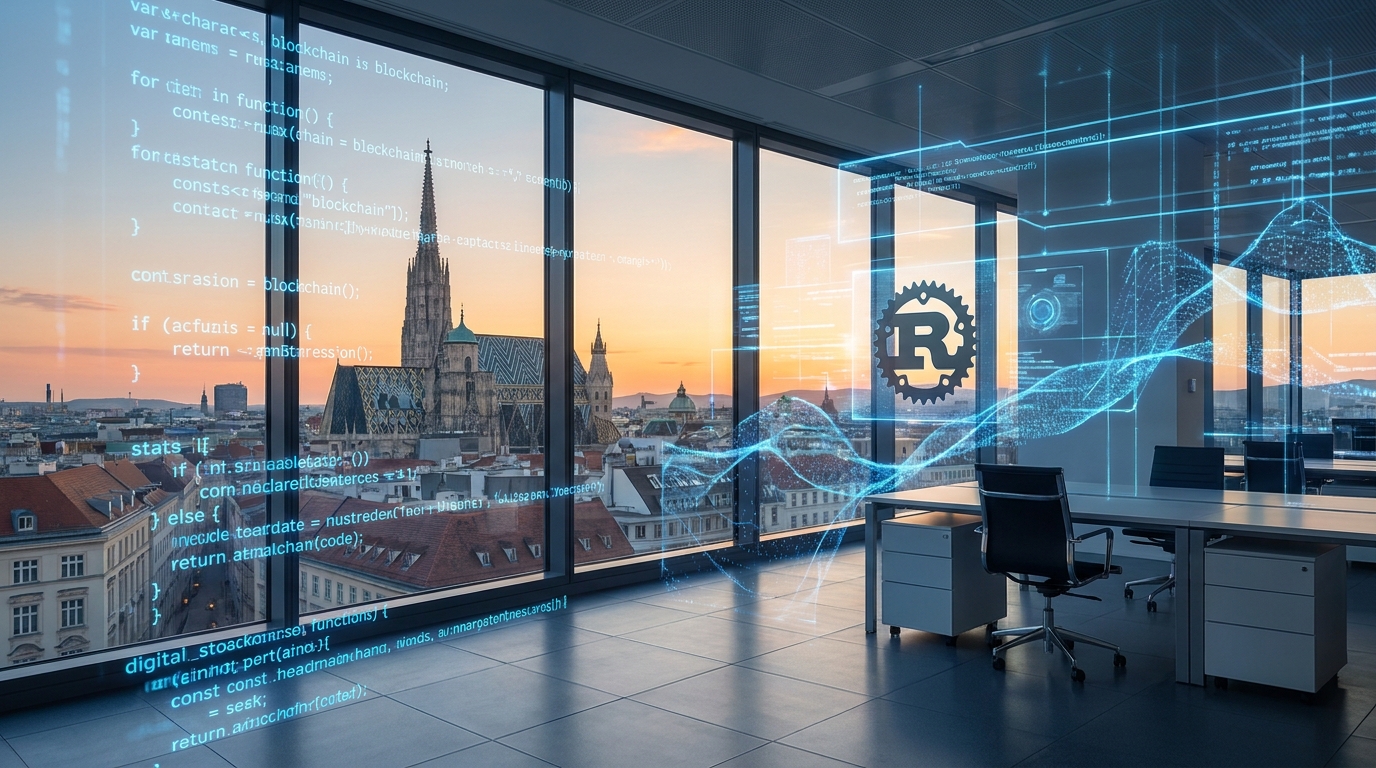

Vienna, consistently ranked as one of the world’s most livable cities, is rapidly transforming into a significant node for blockchain innovation. While traditionally known for its history and classical music, the Austrian capital is now home to a vibrant community of developers, particularly those specializing in Rust. The language's focus on memory safety, concurrency, and performance makes it the gold standard for decentralized applications (dApps) and layer-1 protocols.
As the blockchain sector matures, the demand for developers who can write high-performance, secure code has skyrocketed. If you are looking to specialize, exploring Rust developer jobs globally is a great starting point to understand the technical requirements of this evolving field. In Vienna, this trend is reflected in the growing number of fintech startups and research-heavy blockchain projects setting up shop in the city.
Why Rust for Web3?
In the Web3 space, security is paramount. Since smart contracts often handle millions of dollars in assets, a single memory leak or concurrency bug can lead to catastrophic financial loss. Rust eliminates many of these risks at compile-time through its ownership model. This technical advantage has led protocols like Polkadot, Solana, and Near to adopt Rust as their primary language.
For developers in Vienna, this shift represents a massive career opportunity. Local companies are no longer just looking for generalists; they are hunting for specialists who can navigate the complexities of Substrate or build custom Solana programs. The local ecosystem is deeply intertwined with neighboring hubs, and many local professionals also keep an eye on blockchain opportunities in Germany given the geographic proximity and similar work cultures.
Hiring Trends in the Vienna Web3 Scene
The Vienna Web3 market is characterized by a mix of established blockchain service providers and ambitious new startups. We are seeing a move away from purely speculative projects toward decentralized finance (DeFi) infrastructure and real-world asset (RWA) tokenization. Austrian regulations have provided a relatively stable framework for crypto-asset service providers, encouraging long-term investment in local talent.
Salary Ranges for Rust Developers in Vienna
Compensation for Rust developers in Vienna is competitive, reflecting both the high cost of living and the scarcity of specialized talent. While salaries may not always reach the astronomical levels of San Francisco, the total package often includes excellent benefits and a high quality of life.
- Junior Rust Developer: €50,000 – €65,000 per year.
- Mid-Level Rust Developer: €65,000 – €90,000 per year.
- Senior/Lead Rust Developer: €95,000 – €140,000+ per year.
Many Vienna-based startups offer flexible models, including remote blockchain jobs for those who prefer working from a home office while still being part of the local community events and hackathons.
Essential Skills for Success
To stand out in the Vienna Web3 job market, technical proficiency in Rust is only the beginning. Hiring managers are looking for developers who understand the underlying architecture of decentralized systems. Key skills include:
- Asynchronous Programming: Mastery of Tokio and async/await patterns.
- Smart Contract Logic: Experience with Ink! (for Polkadot) or Anchor (for Solana).
- DevOps for Blockchain: Knowledge of Docker, Kubernetes, and CI/CD pipelines tailored for node infrastructure.
- Cryptography: Understanding of zero-knowledge proofs (ZKPs) and elliptic curve cryptography.
Cultural Note: The Viennese Way of Life
Working in Vienna offers a unique blend of professional intensity and personal relaxation. The concept of "Gemütlichkeit"—a state of warmth, friendliness, and good cheer—permeates the workplace. Meetings often happen over a "Melange" in one of the city's historic coffee houses, where the pace is deliberate and thoughtful. This environment fosters deep work, which is essential for the complex problem-solving required in Rust development.
Top 3 Local Attractions for Tech Professionals
- Schönbrunn Palace: A UNESCO World Heritage site with vast gardens, perfect for a long walk to clear your head after a day of debugging complex code.
- The Prater: Home to the iconic Ferris wheel, this large public park is the center for recreational activity and outdoor summer networking events.
- The Belvedere: Not just an art museum, but a stunning architectural complex that hosts various tech galas and networking nights in its historic halls.
Conclusion
Vienna is more than just a beautiful tourist destination; it is a burgeoning powerhouse for Web3 development. For Rust developers, the city offers a rare combination of high-stakes technical work and an unparalleled quality of life. Whether you are building the next generation of DeFi or contributing to core protocol development, Vienna provides the infrastructure and community to help you thrive in the decentralized future.
Frequently Asked Questions
Senior Rust developers in Vienna can expect to earn between €95,000 and €140,000, depending on their experience with specific blockchain protocols like Solana or Polkadot.
Is German required for Web3 jobs in Vienna?
While German is the local language, the majority of Web3 and blockchain companies in Vienna operate in English, making it accessible for international talent.
Are there remote opportunities for Rust developers in Austria?
Yes, many Austrian blockchain startups offer hybrid or fully remote work arrangements, often recruiting from across the EU to find specialized Rust expertise.
Which blockchain protocols are most popular in the Vienna dev scene?
Polkadot (Substrate) and Solana are particularly popular, though there is a growing interest in Ethereum Layer-2 solutions and Zero-Knowledge proofs.