Blogpost.
Rust Developer Opportunities in Web3 Tokyo: Career Guide
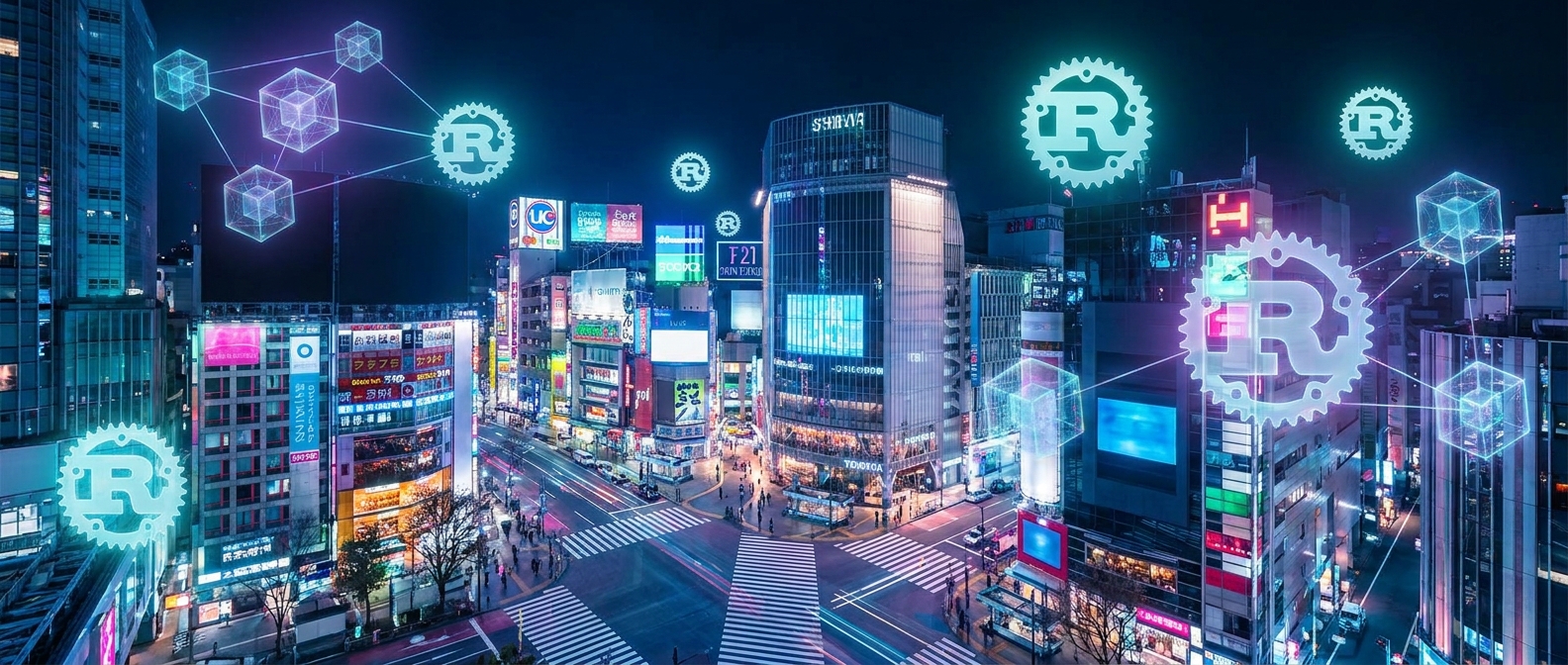

Tokyo is rapidly transforming into a global focal point for decentralized technology. While historically known for its conservative financial institutions, Japan's capital is now embracing the digital asset revolution with open arms. For developers, the most significant shift is the rising dominance of Rust. As a language that prioritizes memory safety and high performance, Rust has become the backbone of modern blockchain infrastructure. From layer-1 protocols to cross-chain bridges, the demand for skilled engineers is at an all-time high.
Companies in Tokyo are increasingly moving away from legacy systems to build on performance-oriented frameworks. This shift is creating a wealth of Rust developer jobs across the city, particularly within the Shibuya and Minato districts, which serve as the city’s primary tech hubs. The Japanese government’s proactive stance on Web3 policy has further accelerated this growth, making Tokyo one of the most stable and attractive environments for blockchain innovation in Asia.
Why Tokyo is a Hub for Web3 Innovation
Japan was one of the first countries to implement a comprehensive regulatory framework for crypto assets. This legal clarity has encouraged domestic giants like Sony, NTT Docomo, and Mitsubishi to explore blockchain integrations. For a developer, this means working at the intersection of established corporate power and agile startup culture. The local ecosystem is particularly focused on gaming, NFTs, and decentralized finance (DeFi), where Rust’s speed is a competitive necessity.
Moreover, the local community is exceptionally vibrant. Events such as WebX and various developer-focused meetups in Roppongi provide fertile ground for networking. If you are exploring the broader landscape of web3 jobs, Tokyo offers a unique blend of high-tech infrastructure and a deep appreciation for meticulous engineering.
Cultural Note: The Japanese Work Ethic and Web3
Working in Tokyo requires an understanding of 'Omotenashi' (wholehearted hospitality) and 'Kaizen' (continuous improvement). While the Web3 space is more flexible than traditional Japanese 'Salaryman' culture, a high level of professionalism and attention to detail is expected. Many teams operate in a bilingual environment, though proficiency in Japanese can significantly broaden your career prospects in the local market.
Local Attractions for Tech Professionals
- Shibuya Crossing: The symbolic heart of Tokyo's tech scene, surrounded by startups and innovation hubs.
- Akihabara Electric Town: A must-visit for hardware enthusiasts and those interested in the historical roots of Japan's tech obsession.
- Senso-ji Temple: A reminder of Tokyo’s rich history, offering a peaceful retreat from the fast-paced world of blockchain development.
Salary Ranges for Rust Developers in Tokyo
Salaries in Tokyo’s Web3 sector are highly competitive, often outperforming traditional software roles. Because Rust expertise is relatively rare compared to Java or Python, companies are willing to pay a premium. The following ranges are typical for the current market:
- Junior Rust Developer: ¥7,000,000 – ¥10,000,000 per year.
- Mid-Level Rust Developer: ¥10,000,000 – ¥16,000,000 per year.
- Senior/Lead Rust Engineer: ¥16,000,000 – ¥25,000,000+ per year.
In addition to base salaries, many Web3 firms offer token grants or performance bonuses, which can significantly increase the total compensation package. While the cost of living in Tokyo is high, it remains more affordable than San Francisco or New York, providing a high quality of life for specialized engineers.
Key Skills and Tech Stacks in Demand
To succeed as a Rust developer in Tokyo, you need more than just a basic understanding of syntax. Hiring managers look for deep technical proficiency and an understanding of decentralized architectures. Key areas of focus include:
- Substrate & Polkadot: Many Japanese projects, such as Astar Network, are built using the Substrate framework.
- Solana Development: With Solana's growth in the NFT and gaming sectors, proficiency with the Solana SDK and Anchor framework is highly valued.
- Zero-Knowledge Proofs (ZKP): Privacy-preserving tech is a growing trend, and Rust is the primary language for implementing ZK circuits.
- Smart Contract Auditing: Given the financial stakes, developers who can write secure, audited code are in high demand.
If you prefer a more flexible lifestyle, many Tokyo-based startups are also open to hiring for remote blockchain jobs, allowing you to contribute to the Japanese ecosystem from anywhere in the world.
Hiring Trends: What Tokyo Companies Look For
The hiring landscape in Tokyo is shifting toward 'T-shaped' developers—those who have deep expertise in Rust but also understand the broader business implications of Web3. Companies are looking for engineers who can contribute to open-source projects and demonstrate their skills through a public GitHub repository. Portfolios that include contributions to major Rust-based protocols like Near, Polkadot, or Solana are particularly impressive to local recruiters.
Another trend is the integration of AI with blockchain. Developers who can bridge the gap between Rust-based backend systems and AI models are finding themselves at the center of high-value bidding wars. Networking remains a cornerstone of the Japanese job market; attending local hackathons and developer mixers is often more effective than cold-applying to job listings.
Conclusion
Tokyo represents a unique frontier for Rust developers. The combination of regulatory stability, corporate interest, and a burgeoning startup scene makes it one of the best places in the world to build a career in Web3. Whether you are interested in DeFi, gaming, or core protocol development, the opportunities in Japan’s capital are as diverse as they are lucrative. By mastering Rust and engaging with the local community, you can position yourself at the forefront of the next generation of the internet.
Frequently Asked Questions
The average salary ranges from ¥10 million to ¥16 million for mid-level developers, with senior roles often exceeding ¥20 million depending on the company and the complexity of the project.
Do I need to speak Japanese to work in Web3 in Tokyo?
While many Web3 startups in Tokyo use English as their primary working language, having at least basic Japanese skills is a significant advantage for networking and navigating daily life.
Which blockchain protocols are most popular in Japan?
Astar Network (Polkadot), Oasys (gaming-focused), and Solana are currently among the most popular protocols for developers working within the Japanese ecosystem.
Are there remote opportunities for Rust developers in Tokyo?
Yes, many Tokyo-based Web3 companies offer hybrid or fully remote work arrangements to attract top-tier global talent, especially for specialized roles like Rust engineering.