Blogpost.
Rust Developer Jobs in Web3: San Francisco Guide
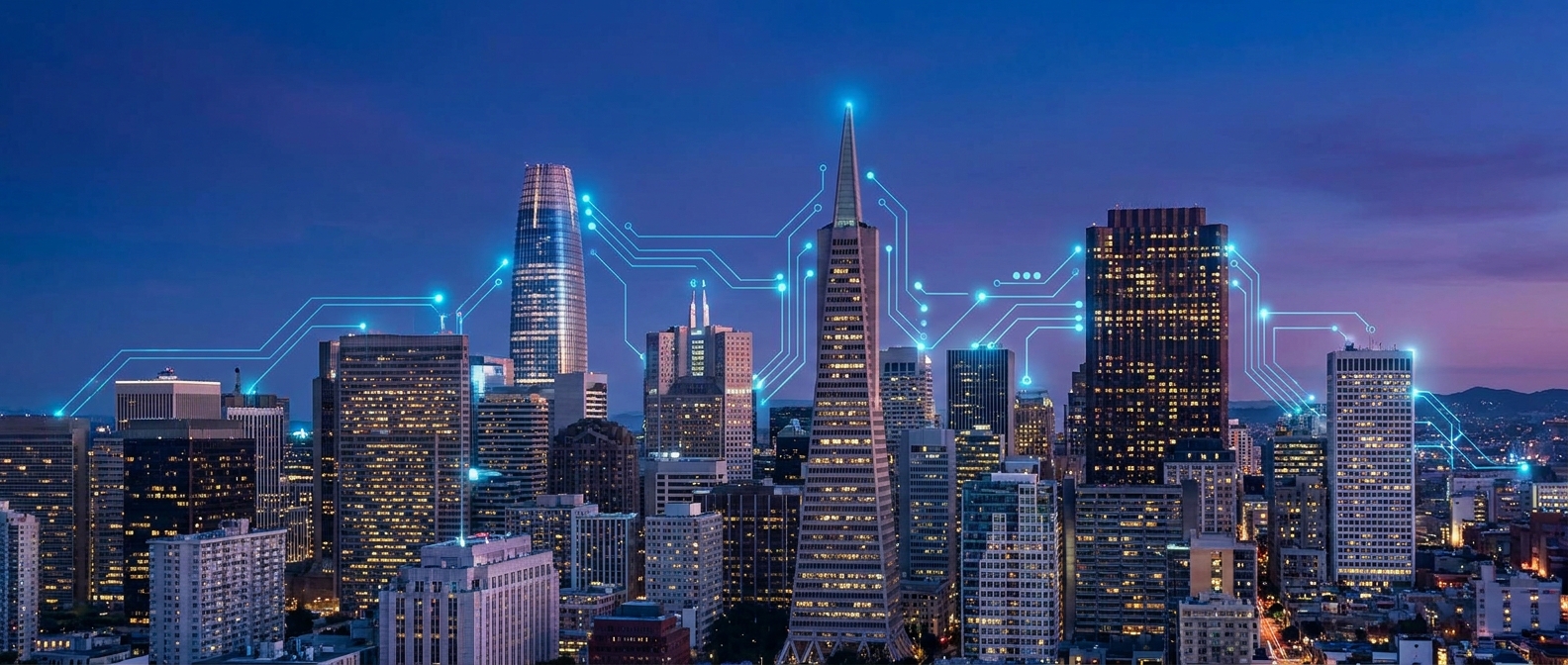

San Francisco has long been the global heartbeat of technological evolution. From the early days of silicon chips to the SaaS explosion, the city's ability to reinvent itself is unparalleled. Today, we are witnessing a new chapter: the rise of the decentralized web. At the center of this movement is a programming language that has captured the hearts of systems engineers and blockchain architects alike—Rust. If you are searching for Rust developer jobs, there is perhaps no better place to be than the San Francisco Bay Area.
The shift toward Rust in the Web3 space is not accidental. As blockchain protocols move away from the limitations of the EVM (Ethereum Virtual Machine) or seek to build highly efficient Layer 2 solutions, Rust’s promise of memory safety without a garbage collector makes it the gold standard. In San Francisco, where performance and security are paramount for venture-backed startups, Rust has become the primary tool for building the next generation of financial infrastructure.
Why San Francisco for Web3 Rust Developers?
Despite the rise of remote work, San Francisco continues to offer a density of talent, capital, and networking opportunities that are difficult to replicate elsewhere. The United States remains a primary hub for blockchain venture capital, and a significant portion of that funding flows directly into the 415 and 650 area codes. For a Rust developer, this means access to high-stakes projects ranging from high-throughput Layer 1 blockchains to sophisticated DeFi protocols and zero-knowledge proof (ZKP) implementations.
Hiring Trends in the Fog City
Hiring for Rust roles in San Francisco is currently characterized by a flight to quality. While the 'hire anyone' frenzy of 2021 has cooled, the demand for competent systems engineers who understand the nuances of the Rust borrow checker is higher than ever. Companies are moving away from generalist web developers and looking for specialists who can optimize smart contracts for performance and gas efficiency.
We are seeing a trend where traditional fintech firms and even Big Tech companies (like Meta or Google) are losing talent to nimble Web3 startups. These startups often operate on a hybrid model, requiring developers to be in the office a few days a week to foster high-bandwidth collaboration in neighborhoods like SoMa, South Beach, and the Mission District.
Salary Expectations for Rust Developers in San Francisco
San Francisco consistently offers the highest compensation packages in the world, adjusted for its high cost of living. For Rust developers in the Web3 space, the compensation is typically a mix of base salary and tokens or equity (RSUs).
- Junior Rust Developer: $135,000 – $165,000 + token/equity grants.
- Mid-Level Rust Developer: $170,000 – $220,000 + significant upside in protocol tokens.
- Senior/Staff Rust Engineer: $230,000 – $310,000+ with substantial leadership bonuses.
It is important to note that 'Total Compensation' (TC) in Web3 can be volatile due to the nature of token vesting. However, the base salaries in San Francisco remain the highest floor globally for this specific skill set.
Essential Skills for the SF Web3 Market
To stand out in the competitive San Francisco market, simply knowing the syntax of Rust isn't enough. Hiring managers at top-tier firms are looking for a specific blend of systems knowledge and blockchain-specific context.
1. Mastery of the Rust Ecosystem
You should be deeply familiar with Cargo, Clippy, and crates like Serde, Tokio, and Rayon. Understanding how to write asynchronous code and manage memory safely is the baseline requirement for any web3 jobs focusing on infrastructure.
2. Smart Contract Frameworks
In the Rust ecosystem, knowledge of the Anchor framework (for Solana) or CosmWasm (for Cosmos-based chains) is highly valued. Many SF-based startups are building on Solana due to its speed, and Anchor has become the de facto standard for writing secure programs on that network.
3. Cryptographic Fundamentals
With the rise of 'ZK-Summer' and the focus on privacy, understanding the basics of elliptic curve cryptography, Merkle trees, and Zero-Knowledge Proofs (using libraries like Arkworks) can double your market value.
Living and Working in San Francisco
San Francisco is a city of contradictions, blending a gritty, counter-culture history with the sleekest modern technology. For a developer, the 'vibe' is often one of intense intellectual curiosity. You are as likely to discuss consensus algorithms at a coffee shop in Hayes Valley as you are at a formal conference.
Cultural Note: San Francisco has a unique 'Hacker House' culture that persists today. Many founders and early engineers live and work in the same spaces, creating an environment where the line between life and innovation is blurred. This 'always-on' atmosphere is a hallmark of the Bay Area's dominance in the tech world.
Local Attractions for the Tech-Minded
- The Exploratorium: Located on Pier 15, this is a museum of science, art, and human perception. It’s a perfect spot for developers who appreciate the intersection of complex systems and visual beauty.
- Salesforce Park: A literal floating forest in the middle of the skyscraper district. It’s an excellent place for 'walk-and-talk' meetings or a quiet lunch away from the terminal.
- Dolores Park: On a sunny weekend, this is the social heart of the city. It’s where techies, artists, and locals mingle, offering one of the best views of the San Francisco skyline.
The Future Outlook
Despite the shifting regulatory landscape, San Francisco’s commitment to the 'Build' mentality remains unshaken. The next wave of Web3 adoption—likely driven by AI integration and decentralized physical infrastructure (DePIN)—is being architected right now in the Bay Area. Rust, with its safety guarantees and C-like speed, is the engine of this transition. For developers willing to master the complexity of the language and move to the heart of the action, the opportunities are practically limitless.
Frequently Asked Questions
In San Francisco, a mid-level Rust developer can expect a base salary between $170,000 and $220,000, often supplemented by equity or token incentives that can significantly increase the total compensation package.
Why is Rust preferred over Solidity for many new Web3 projects?
Rust offers superior performance and memory safety. While Solidity is great for the EVM, Rust is used for high-performance Layer 1s like Solana and Polkadot, and for building complex off-chain infrastructure where security is critical.
Are there junior-level Rust roles available in SF?
Yes, though they are competitive. Many companies look for developers with strong computer science fundamentals or experience in C++ who are willing to transition into Rust and Web3 development.
Is it necessary to live in San Francisco to work for an SF-based Web3 company?
While many companies offer remote-friendly policies, there is a strong trend toward hybrid work in San Francisco. Being local provides significant advantages for networking, attending developer meetups, and participating in hackathons.