Blogpost.
Rust Developer Web3 Opportunities in Singapore
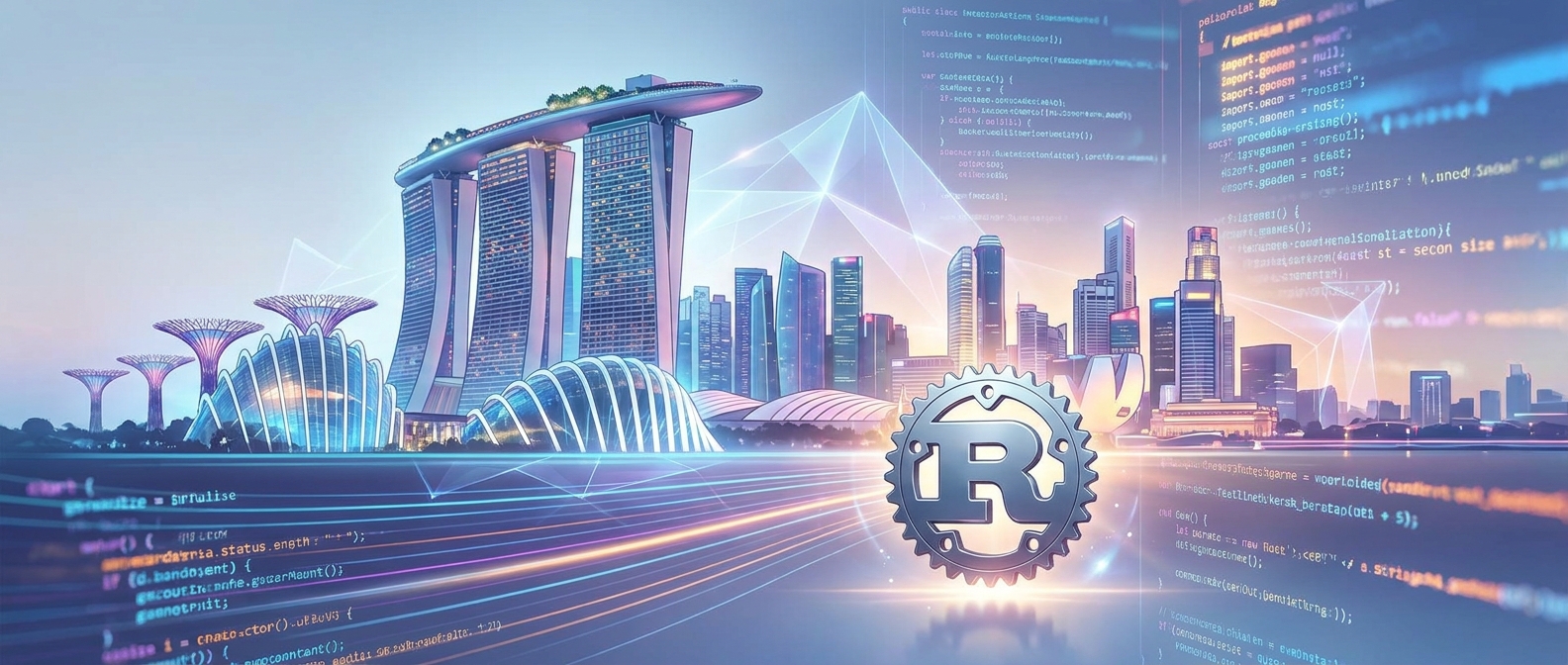

Singapore has long been recognized as a global financial powerhouse, but in recent years, it has transformed into a premier destination for decentralized technology. With a regulatory framework that balances innovation with consumer protection—led by the Monetary Authority of Singapore (MAS)—the city-state has attracted some of the biggest names in the industry. For developers, this means a fertile ground for career growth, particularly for those specializing in high-performance languages.
As the industry moves away from the limitations of early blockchain iterations, Rust has emerged as the gold standard for performance-critical systems. Whether it is building on Solana, Polkadot, or Near Protocol, the demand for Rust developer jobs is at an all-time high in Singapore. Companies are no longer just looking for enthusiasts; they are looking for engineers capable of building scalable, secure, and efficient decentralized applications (dApps).
Why Rust is Dominating the Web3 Space
Rust provides two things that are non-negotiable in the blockchain world: memory safety and high performance. In an environment where a single bug can lead to the loss of millions of dollars in assets, Rust’s strict compiler and ownership model are invaluable. In Singapore, where financial security is a top priority, local firms are increasingly choosing Rust over C++ or even Go for their core infrastructure.
The ecosystem here is diverse. You will find startups focusing on Decentralized Finance (DeFi), institutional-grade custody solutions, and the burgeoning GameFi sector. Many of these projects are actively seeking talent through Web3 jobs platforms to fill roles that require deep technical knowledge of the Rust ecosystem, including frameworks like Substrate or Anchor.
Hiring Trends and Industry Focus
The hiring landscape in Singapore for 2024 and 2025 is characterized by a "flight to quality." While the speculative frenzy of previous years has cooled, the infrastructure building has intensified. We are seeing a significant trend toward:
- Cross-chain Interoperability: Developing protocols that allow different blockchains to communicate securely.
- Zero-Knowledge Proofs (ZKP): Implementing privacy-preserving technologies using Rust-based libraries.
- Institutional Integration: Bridging the gap between traditional finance (TradFi) and DeFi, often referred to as "Real World Asset" (RWA) tokenization.
Salary Benchmarks for Rust Developers in Singapore
Singapore offers some of the most competitive salaries in the world for blockchain talent, often rivaling Silicon Valley when adjusted for the lower tax regime. The compensation packages usually include a base salary, performance bonuses, and frequently, token options (equity in the protocol).
- Junior Rust Developer: SGD 85,000 – SGD 130,000 per annum.
- Mid-Level Rust Developer: SGD 130,000 – SGD 190,000 per annum.
- Senior/Lead Rust Developer: SGD 190,000 – SGD 270,000+ per annum.
Lead positions and specialized roles in cryptography or protocol architecture can command even higher figures, sometimes exceeding SGD 300,000 for top-tier talent with a proven track record of successful mainnet launches.
Key Skills for Success in the Singaporean Market
To stand out in the competitive Singaporean job market, a Rust developer needs more than just a basic understanding of syntax. Employers are looking for a comprehensive toolkit that includes:
- Smart Contract Expertise: Proficiency in writing programs for the Solana Virtual Machine (SVM) or using Substrate for Polkadot parachains.
- Security Auditing: The ability to conduct internal audits and use formal verification tools to ensure code robustness.
- DevOps and Infrastructure: Familiarity with containerization and cloud providers, as many roles now intersect with remote blockchain jobs where deployment autonomy is expected.
- Asynchronous Programming: Mastering Tokio and other async runtimes in Rust is essential for high-throughput blockchain nodes.
A Cultural Note: Life in the Lion City
Singapore is often described as a "fine city"—both for its cleanliness and its strict adherence to rules. It is a melting pot of cultures where East meets West, making it an incredibly easy place for expats to integrate. The professional culture is fast-paced and efficient, valuing meritocracy and hard work. However, the work-life balance is improving as more tech firms adopt flexible policies.
3 Must-Visit Local Attractions
- Gardens by the Bay: A futuristic park featuring the iconic Supertree Grove and the Cloud Forest dome, representing Singapore's "City in a Garden" vision.
- Marina Bay Sands SkyPark: For an unparalleled view of the city’s skyline and the bustling shipping lanes that power its economy.
- Hawker Centers (e.g., Old Airport Road or Maxwell): To truly understand Singapore, you must eat. These food centers offer world-class culinary experiences at a fraction of restaurant prices.
The Future Outlook
The future for Rust developers in Singapore remains exceptionally bright. With initiatives like "Project Guardian" exploring the institutional use of DeFi, the government is signaling its long-term commitment to the sector. For developers, this means job security and the opportunity to work on projects that are literally redefining the global financial system. Whether you are a local resident or looking to relocate, the combination of high salaries, a vibrant tech scene, and a high quality of life makes Singapore a top-tier choice for your next career move in Web3.
Frequently Asked Questions
Generally, yes. Rust has a steeper learning curve due to concepts like the borrow checker and memory management. However, this complexity allows for more powerful and secure applications, which is why it is preferred for core blockchain infrastructure.
Do Web3 companies in Singapore offer remote work?
Many Web3 firms in Singapore operate on a hybrid model, but there is a significant increase in fully remote opportunities, especially for senior Rust developers. However, having a presence in the Singapore time zone is often preferred for team synchronization.
What are the visa requirements for developers moving to Singapore?
Most international developers enter via the Employment Pass (EP) or the newer Overseas Networks & Expertise (ONE) Pass for high earners. The process is streamlined but requires a qualifying salary and recognized qualifications.
Which blockchain ecosystems are most active in Singapore?
Solana, Polkadot, and Ethereum (Layer 2s) have a massive presence. There is also a significant amount of development happening on Cosmos and various sovereign app-chains using the Rust-based CosmWasm framework.