Blogpost.
Rust Developer Jobs in Web3 Copenhagen: A 2024 Guide
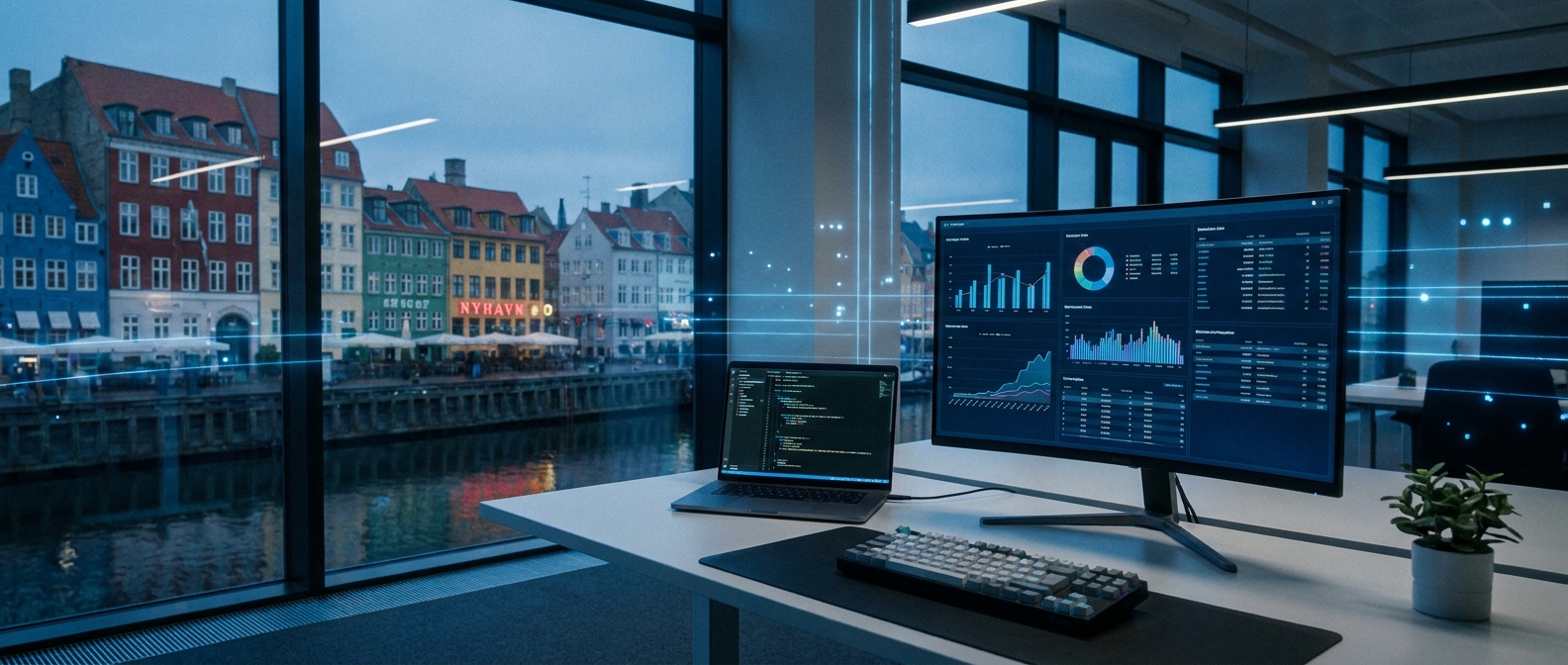

Copenhagen has long been recognized as a global leader in design, sustainability, and quality of life. However, beneath its historic cobblestone streets and minimalist architecture, a robust technological revolution is taking place. For software engineers specializing in Rust, the Danish capital offers a unique intersection of traditional financial stability and cutting-edge decentralized technology. As the blockchain industry matures, the demand for memory safety and high performance has made Rust the gold standard for protocol development, and Copenhagen is perfectly positioned to capitalize on this trend.
The city's tech ecosystem benefits from a highly educated workforce and a government that is generally supportive of digital transformation. While many developers look toward Silicon Valley or London, those seeking a balance between high-intensity Rust developer jobs and a human-centric lifestyle are increasingly turning their gaze toward Denmark. In this guide, we will explore why Copenhagen is a prime destination for Web3 talent and what the current hiring landscape looks like.
The Growing Demand for Rust in the Danish Blockchain Sector
Rust has become the preferred language for several of the world’s most prominent blockchain ecosystems, including Polkadot, Solana, and Near. In Copenhagen, the local startup scene has followed suit. The emphasis on security and performance aligns perfectly with the Danish engineering ethos, which values reliability and precision. Companies in the region are actively looking for developers who can build secure smart contracts and robust infrastructure.
Why Rust?
Unlike languages with heavy garbage collection, Rust offers fine-grained control over system resources without sacrificing safety. This is critical in Web3, where a single bug in a smart contract can lead to the loss of millions in assets. Copenhagen-based firms working on Layer 1 protocols and Decentralized Finance (DeFi) platforms are prioritizing candidates who can demonstrate proficiency in ownership models and concurrency—the hallmarks of a skilled Rustacean.
Salary Expectations and Economic Trends
One of the most pressing questions for any job seeker is compensation. Copenhagen is known for its high cost of living, but this is matched by some of the most competitive salaries in Europe. For a Rust developer in the Web3 space, the figures are particularly attractive because of the niche expertise required.
- Junior Rust Developer: 45,000 – 55,000 DKK per month (~€6,000 - €7,300).
- Mid-Level Rust Developer: 55,000 – 75,000 DKK per month (~€7,300 - €10,000).
- Senior/Lead Rust Developer: 75,000 – 95,000+ DKK per month (~€10,000 - €12,700+).
Beyond the base salary, many Web3 companies offer token grants or equity, which can significantly increase total compensation. Furthermore, the Danish work culture emphasizes a 37-hour work week and generous vacation time, ensuring that high pay doesn't come at the cost of burnout. Many firms also offer flexibility, allowing developers to pivot into remote blockchain jobs while maintaining a base in the city.
Key Skills for Copenhagen Web3 Roles
To stand out in the Copenhagen market, developers need more than just a basic understanding of Rust syntax. Local hiring managers are looking for individuals who can contribute to the entire lifecycle of a decentralized application. Key skills include:
- Substrate Framework: Since many projects in the region are built on the Polkadot ecosystem, familiarity with Substrate is a major advantage.
- Cryptography: Understanding Zero-Knowledge Proofs (ZKP) and Elliptic Curve Cryptography is increasingly relevant for privacy-focused projects.
- Wasm (WebAssembly): As Rust compiles efficiently to Wasm, knowing how to optimize this for browser-based blockchain interactions is highly valued.
- CI/CD for Blockchain: Experience with automated testing and deployment of smart contracts.
Cultural Note: The Danish Way of Working
Working in Copenhagen is a unique experience. The concept of "Janteloven" (the idea that no one is better than anyone else) fosters a flat hierarchy where junior developers are encouraged to voice their opinions to the CTO. The work-life balance is not just a buzzword; it is a fundamental right. It is common to see offices empty by 4:30 PM as employees head out to pick up their children or enjoy the city's green spaces.
Local Attractions for the Tech-Savvy Resident
- The Black Diamond (Royal Danish Library): A stunning piece of modern architecture on the waterfront, perfect for deep work sessions or research.
- Tivoli Gardens: One of the world's oldest amusement parks, providing a whimsical escape right in the heart of the city.
- Reffen Street Food: An urban playground and food hall located in the industrial district of Refshaleøen, where the local tech community often gathers for informal meetups.
How Copenhagen Compares to Other European Hubs
When comparing the Nordic scene to central Europe, Copenhagen offers more stability and higher average social benefits than many other cities. While Web3 jobs in Berlin might offer a more "gritty" and high-speed startup culture, Copenhagen provides a sustainable environment for long-term career growth. The Danish ecosystem is less about "moving fast and breaking things" and more about "moving steadily and building things that last."
Finding Success in the Local Market
Networking is crucial in Denmark. While English is the primary language in the tech sector (most Danes speak English fluently), showing an interest in the local culture and participating in meetups like the "Copenhagen Ethereum Meetup" or specialized Rust groups will go a long way. Companies are not just hiring a coder; they are hiring a team member who fits into their collaborative culture.
Hiring Trends to Watch
We are seeing a shift toward hybrid roles where developers are expected to understand the economic incentives of the protocols they build. Tokenomics and game theory are becoming as important as the code itself. Additionally, with the EU's MiCA regulation coming into full effect, there is a rising demand for developers who can build compliant DeFi tools, a niche where Copenhagen’s expertise in fintech is particularly useful.
Conclusion
Copenhagen represents a premier destination for Rust developers who want to contribute to the future of the decentralized web without sacrificing their quality of life. With competitive salaries, a focus on engineering excellence, and a culture that respects the individual, the Danish capital is more than just a beautiful city—it is a thriving engine of the Web3 economy. Whether you are building the next Layer 1 or securing a new DeFi protocol, Copenhagen has a seat at the table for you.
Frequently Asked Questions
No, most Web3 and blockchain companies in Copenhagen operate in English. While learning some Danish is helpful for social integration, it is rarely a requirement for technical roles.
What is the average salary for a Rust developer in Denmark?
Mid-level Rust developers can expect to earn between 55,000 and 75,000 DKK per month, depending on their experience and the specific complexity of the project.
Are there many remote opportunities for developers in Copenhagen?
Yes, many Danish Web3 firms offer hybrid models, and there is a significant trend toward hiring for fully remote positions within the European time zones.
What are the top blockchain projects based in Copenhagen?
Projects like Concordium and various DeFi initiatives have strong roots or significant teams in the Copenhagen area, contributing to a vibrant local ecosystem.