Blogpost.
Rust Developer Opportunities in Web3: Brussels Guide
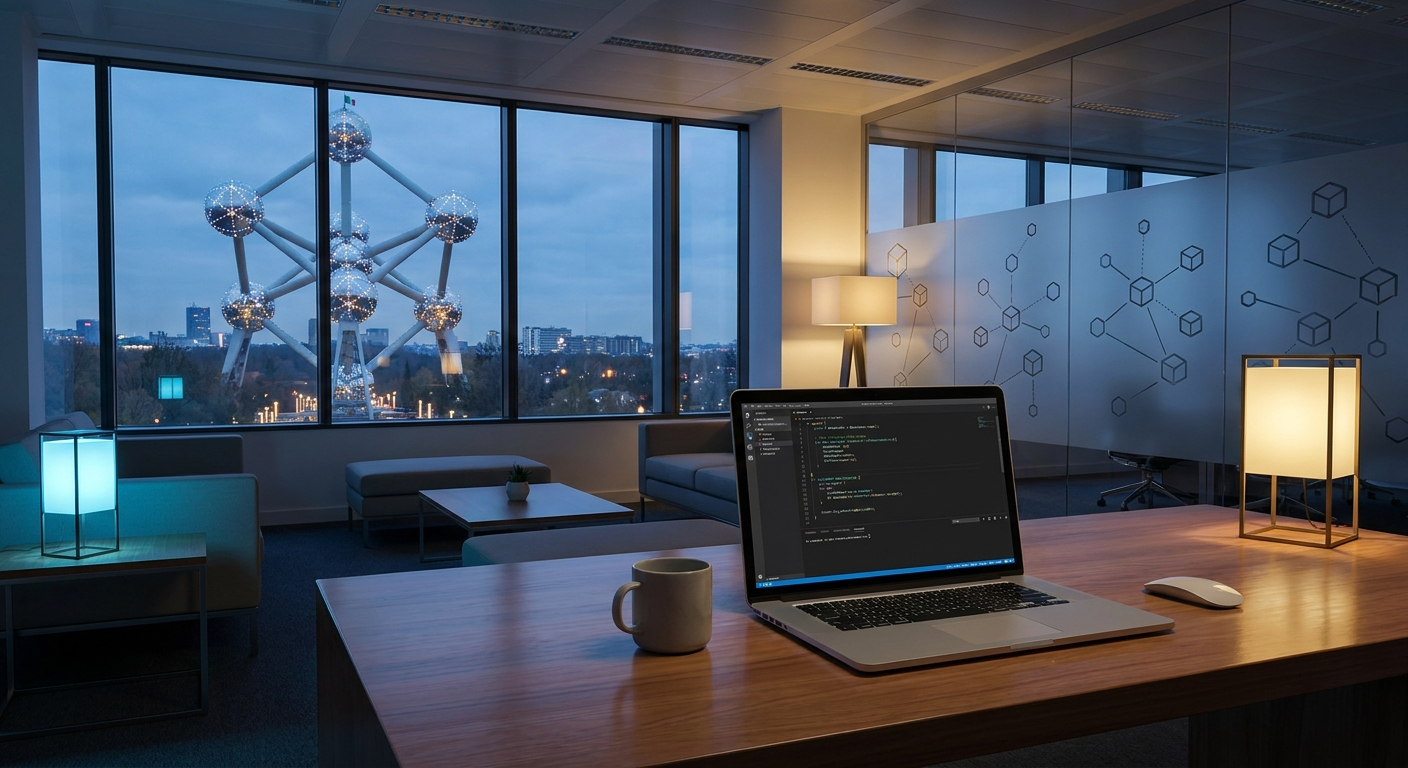

While often recognized as the administrative heart of the European Union, Brussels is rapidly transforming into a significant player in the decentralized technology space. The city's unique position at the crossroads of European regulation and international commerce makes it a fertile ground for blockchain startups and established tech firms alike. Specifically, the demand for Rust developer jobs has skyrocketed as protocols prioritize performance, safety, and scalability.
For developers, Brussels offers more than just professional growth; it provides a strategic vantage point to witness the implementation of the Markets in Crypto-Assets (MiCA) regulation, which is shaping the future of the industry across the continent. This regulatory clarity is attracting investment and fostering a mature ecosystem where Web3 talent can thrive.
Why Rust is the Language of Choice for Brussels Web3 Firms
Rust has become the gold standard for blockchain development for several technical reasons. Unlike languages with garbage collection, Rust offers memory safety without a runtime overhead, making it ideal for the high-stakes environment of smart contracts and protocol engineering. In Brussels, local startups focusing on DeFi and infrastructure are increasingly migrating away from legacy systems toward Rust-based frameworks.
The Power of Substrate and Polkadot
Many Belgian blockchain projects leverage Substrate, a framework built with Rust that allows developers to create purpose-built blockchains. Because Brussels hosts many tech consultancies that service the wider EU market, expertise in Substrate is a highly sought-after skill that commands premium salaries.
Solana and Near Integration
Beyond the Polkadot ecosystem, the rise of high-throughput blockchains like Solana and Near has further cemented Rust's dominance. Developers in Brussels are finding opportunities to build decentralized applications (dApps) that require the low-latency execution that only Rust can reliably provide. This trend is visible across various Web3 jobs currently listed in the region.
Salary Ranges and Hiring Trends in Brussels
The compensation for Rust developers in Brussels is competitive, reflecting the scarcity of specialized talent. While slightly lower than the astronomical figures seen in Silicon Valley, the cost of living and comprehensive social benefits in Belgium make these roles highly attractive.
- Junior Rust Developer: €45,000 – €60,000 per year. These roles usually require a solid understanding of systems programming and at least a few personal projects in the Web3 space.
- Mid-Level Rust Developer: €65,000 – €85,000 per year. Candidates should have 2-4 years of experience and a deep understanding of asynchronous programming and blockchain fundamentals.
- Senior/Lead Rust Developer: €90,000 – €120,000+ per year. Leaders at this level are expected to architect entire protocols, manage security audits, and mentor junior staff.
A notable trend in the Belgian market is the shift toward hybrid work models. While the heart of the action remains in the city center, many firms are attracting talent by offering remote blockchain jobs that allow developers to enjoy the Belgian quality of life from any corner of the country.
Essential Skills for Rust Developers in Brussels
To stand out in the Brussels market, a developer needs more than just a passing knowledge of Rust syntax. Employers are looking for a comprehensive toolkit that combines technical prowess with an understanding of decentralized logic.
Technical Proficiency
- Memory Management: Deep understanding of ownership, borrowing, and lifetimes.
- Concurrency: Ability to handle multi-threaded environments safely.
- Smart Contract Security: Knowledge of common vulnerabilities like reentrancy or integer overflows.
- ZK-Proofs: Experience with Zero-Knowledge technology is becoming a massive differentiator in the Brussels privacy-tech sector.
Soft Skills and Regulatory Awareness
Given the international nature of Brussels, proficiency in English is mandatory, while knowledge of French or Dutch is a significant plus for local networking. Furthermore, understanding the basics of EU crypto regulations can help developers build more compliant and sustainable products.
Living and Working in Brussels: A Cultural Note
Brussels is a city of contrasts, where medieval architecture meets sleek modern office buildings. The work culture in Belgium emphasizes a healthy work-life balance, often referred to as 'the Belgian compromise'—a pragmatic approach to problem-solving and negotiation. You will find that the tech community is collaborative rather than cutthroat.
3 Must-Visit Local Attractions
- The Grand Place: A UNESCO World Heritage site, this central square is breathtakingly beautiful and serves as the social heart of the city.
- The Atomium: Originally built for the 1958 World Expo, this landmark offers panoramic views of the city and represents Brussels' long-standing affinity for science and technology.
- Musée Magritte Museum: Dedicated to the work of the Belgian surrealist artist René Magritte, it is a source of inspiration for many creative thinkers in the tech space.
How to Find Web3 Opportunities in Brussels
Networking is key in the Belgian tech scene. Attending local meetups such as 'Blockchain Brussels' or participating in European hackathons is an excellent way to meet founders. Additionally, monitoring specialized job boards and engaging with the community on platforms like X (formerly Twitter) and Discord can lead to 'hidden' job opportunities that are not yet publicly advertised.
Companies in Brussels are specifically looking for developers who can bridge the gap between traditional enterprise software and the decentralized future. Whether you are a systems engineer looking to pivot or an experienced blockchain pro, the Brussels Web3 scene offers a stable yet exciting environment to grow your career.
Frequently Asked Questions
Yes, Rust generally has a steeper learning curve due to its strict compiler and concepts like ownership and lifetimes. However, it is more versatile and provides better performance for complex protocol-level development compared to Solidity's focus on smart contracts.
What is the demand for remote Rust developers in Belgium?
Demand is high. Many Brussels-based companies have adopted a remote-first or hybrid approach to compete with international firms for top-tier Rust talent, allowing developers to work from anywhere while maintaining a connection to the Brussels tech hub.
Are there many Web3 startups in Brussels?
While smaller than London or Berlin, the Brussels Web3 ecosystem is growing steadily. It is particularly strong in areas involving regulatory technology (RegTech), decentralized finance (DeFi), and privacy-focused infrastructure.
Do I need to speak French or Dutch to work as a developer in Brussels?
In the tech and Web3 sectors, English is the primary language of communication. While knowing French or Dutch is helpful for daily life and local networking, it is rarely a strict requirement for high-level engineering roles.