Blogpost.
Solidity and Smart Contract Engineering Roles in Munich
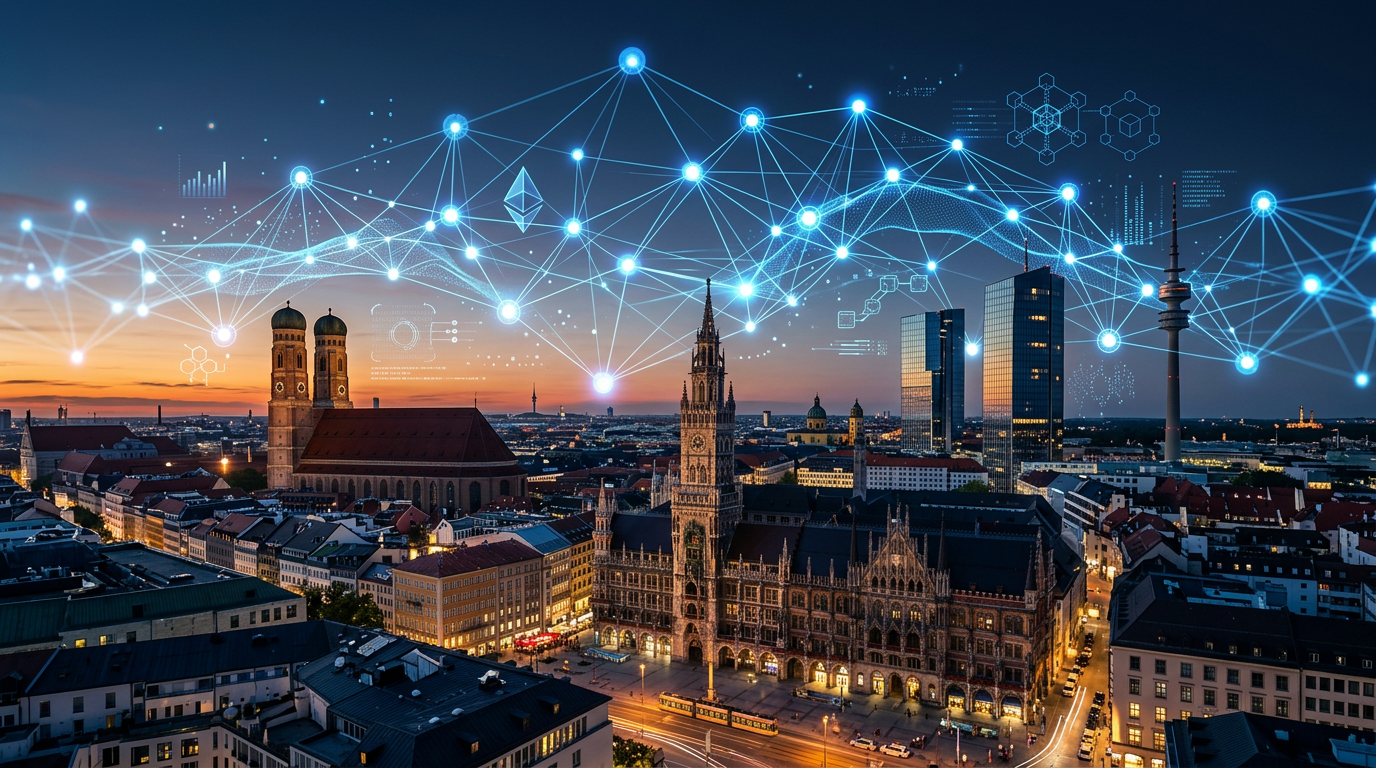

While Berlin often captures the spotlight for crypto startups, Munich has quietly established itself as the premier hub for enterprise blockchain and industrial Web3 applications. Known for its 'Laptop and Lederhosen' philosophy, the Bavarian capital blends high-tech prowess with deep-rooted engineering principles. For Solidity developers and smart contract engineers, this means a unique job market ranging from DeFi protocols to IoT blockchain integration for automotive giants.
The Local Ecosystem and Cultural Context
Munich is characterized by stability and excellence. Developers here thrive on high-quality code and rigorous testing—vital traits for smart contract security. Culturally, the city offers a balanced lifestyle. As a tech professional, you will find a supportive community at events like the 'Blockchain Bavaria' meetups.
Top 3 Local Attractions for Techies
- Deutsches Museum: The world's largest science and technology museum, perfect for hardware-minded devs.
- English Garden: One of the world's largest urban parks, ideal for deep-thinking walks between coding sessions.
- The Surf Wave at Eisbach: A symbol of Munich’s adventurous spirit, located right in the city center.
Hiring Trends: What Munich Employers Want
In Munich, the demand for Solidity engineers is driven by two main pillars: institutional finance and industrial IoT. Companies are moving beyond proof-of-concepts to production-grade decentralized applications (dApps). There is a significant trend toward Layer 2 solutions and Zero-Knowledge (ZK) proofs to solve scalability and privacy issues requested by German regulatory standards.
Salary Ranges for Smart Contract Engineers in Munich
Salaries in Munich are among the highest in Germany, reflecting the city’s cost of living and the scarcity of specialized talent. Current data suggests:
- Junior Solidity Developer: €65,000 – €80,000
- Mid-Level Smart Contract Engineer: €85,000 – €110,000
- Senior/Lead Engineer: €115,000 – €150,000+ (often including token equity or performance bonuses).
Essential Technical Skills
To succeed as a Solidity developer in Munich’s competitive market, you need more than just a basic understanding of the language. Employers prioritize:
- Solidity Mastery: Deep knowledge of version-specific features, gas optimization, and the Ethereum Virtual Machine (EVM).
- Security Auditing: Familiarity with tools like Slither, Mythril, and Echidna to prevent vulnerabilities like reentrancy attacks.
- Testing Frameworks: Proficiency in Foundry or Hardhat is non-negotiable for local enterprise teams.
- DeFi Primitives: Understanding AMMs, liquidity pools, and yield farming logic.
- Regulatory Awareness: Familiarity with MiCA (Markets in Crypto-Assets regulation) is a huge plus in the German market.
Top Blockchain Companies in Munich
The landscape is diverse, featuring niche crypto startups alongside corporate labs. Notable names include T-Systems Multimedia Solutions (staking and infrastructure), Commercialize, and various spin-offs from the Technical University of Munich (TUM), which is a breeding ground for blockchain talent. Additionally, major automotive players like BMW and insurers like Allianz frequently hire for their internal blockchain divisions focusing on supply chain and automated claims processing.
How to Get Hired
Build a local network. Attend the TUM Blockchain Club events and contribute to open-source projects. For Munich-based roles, a polished LinkedIn profile and a GitHub repository showcasing audited, well-documented smart contracts are often more influential than a traditional CV.
Frequently Asked Questions
Most Web3 startups and tech labs operate in English. However, knowing basic German is helpful for social integration and bureaucratic processes.
Which blockchain networks are popular in Munich?
Ethereum remains dominant, but there is significant interest in Polkadot (due to Web3 Foundation links) and enterprise-grade networks like Hyperledger Besu for industrial use cases.
What is the cost of living for a developer in Munich?
Munich is expensive by German standards. A decent one-bedroom apartment can cost between €1,200 and €1,800 per month, but the high salaries usually compensate for this.
Are remote Solidity jobs available in Munich?
Yes, many Munich-based companies offer hybrid or fully remote options within Germany, though some may require periodic visits to the office for security sprints.