Blogpost.
Solidity and Smart Contract Jobs in Copenhagen, Denmark
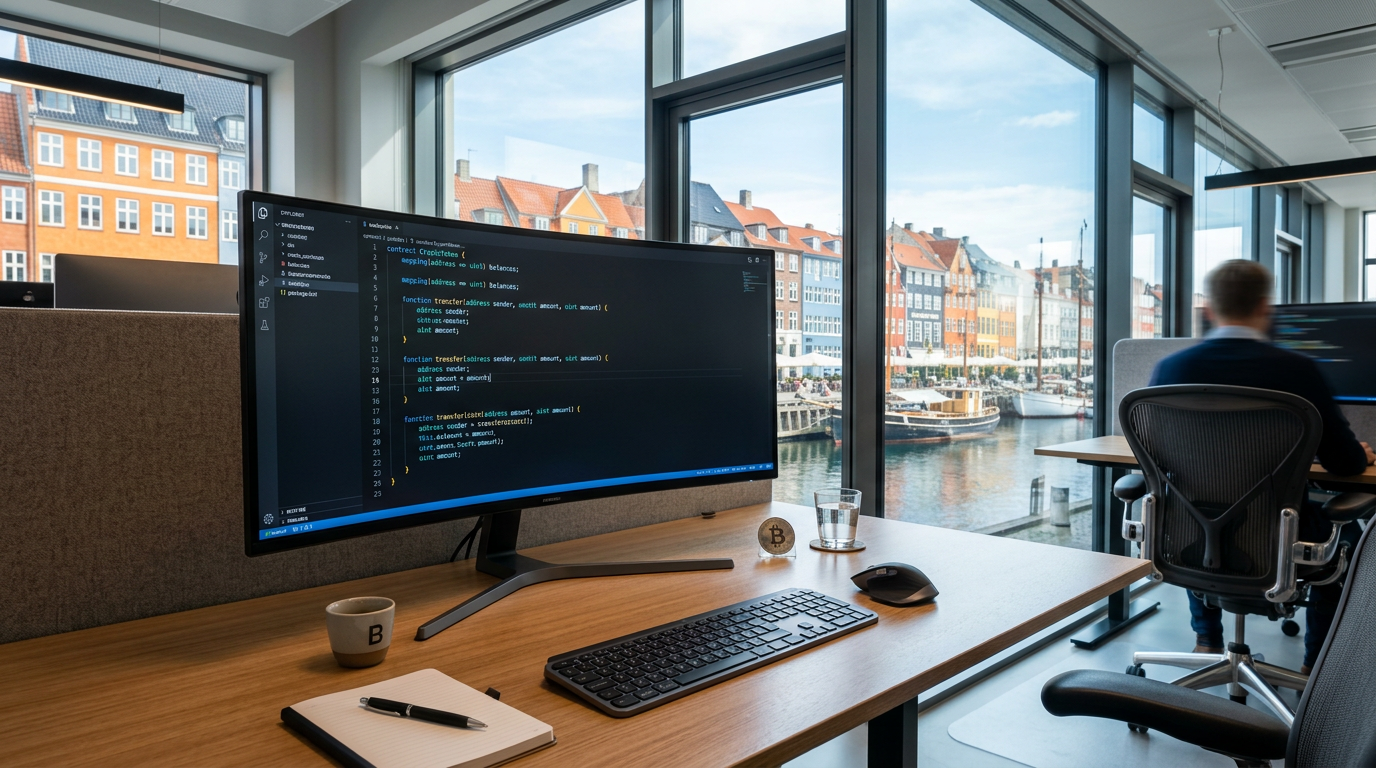

Copenhagen is rapidly emerging as a significant hub for decentralized technology in Northern Europe. Known for its high quality of life and a strong culture of innovation, the city provides a fertile ground for Smart Contract Engineers and Solidity developers. Unlike the heavy speculative markets seen elsewhere, Copenhagen’s blockchain scene is rooted in functional utility—ranging from decentralized finance (DeFi) to sustainable supply chain solutions.
The Copenhagen Tech Culture
Denmark's working culture is famous for its flat hierarchy and emphasis on work-life balance. For a Solidity engineer, this means you aren’t just a code monkey; you are an integral part of the decision-making process. The 'Jante Law' influence often fosters a collaborative rather than competitive environment, which is highly beneficial for the rigorous peer-review processes required in smart contract auditing.
Salary Expectations for Solidity Developers in Copenhagen
When considering a move to Copenhagen, it is essential to understand the fiscal landscape. While Danish taxes are high, they fund a world-class social safety net, and gross salaries for niche roles like Smart Contract Engineering are competitive.
- Junior Solidity Developer: 45,000 – 55,000 DKK per month.
- Mid-Level Smart Contract Engineer: 60,000 – 75,000 DKK per month.
- Senior Blockchain Architect: 85,000+ DKK per month plus equity/token incentives.
Many local startups also offer 'remote-first' Danish contracts, allowing for flexibility while maintaining the legal protections of Danish employment law.
Key Skills in Demand
Hiring companies in Copenhagen, such as those involved in the MakerDAO ecosystem or local fintech innovators, look for more than just mapping(address => uint). Key requirements usually include:
- Advanced Solidity: Proficiency with OpenZeppelin, Hardhat, and Foundry.
- Security Mindset: Experience with Slither, Echidna, or formal verification.
- EVM Knowledge: Understanding gas optimization and the inner workings of the Ethereum Virtual Machine.
- Full-Stack Awareness: Familiarity with Ethers.js or Viem to bridge the gap between contracts and the UI.
Top 3 Local Attractions for Expats
Relocating to Copenhagen offers a lifestyle shift. Here are three spots to visit once you've landed your Web3 role:
- Nyhavn: The iconic 17th-century waterfront, perfect for a post-sprint beer.
- The Round Tower (Rundetårn): 17th-century observatory offering panoramic views of the city.
- Reffen Street Food: A creative hub in an old industrial area, perfect for networking with other tech founders.
Current Hiring Trends
We are seeing a shift from 'generalist' developers to 'specialized' auditors. Danish companies are increasingly focused on the security of their protocols. Additionally, the integration of Carbon Credits and Green Tech with blockchain is a massive trend in Denmark, given the country's commitment to sustainability. If you can write smart contracts that interact with ESG data, you will be highly sought after.
Frequently Asked Questions
Yes, Copenhagen offers a stable, high-income environment with a growing number of blockchain-native companies and a supportive local community.
Do I need to speak Danish to work in tech in Copenhagen?
No, most tech companies and startups in Copenhagen use English as their primary corporate language, especially in the blockchain sector.
What is the average tax rate for developers in Denmark?
While it varies, most high earners in tech pay between 35% and 45%, but this includes full healthcare, education, and social services.
How is the networking scene for blockchain in Denmark?
Vibrant. Events like the Copenhagen Eth meetup and various Web3 workshops at the IT University of Copenhagen (ITU) are great starting points.