Blogpost.
Solidity Smart Contract Engineering Jobs in Brussels
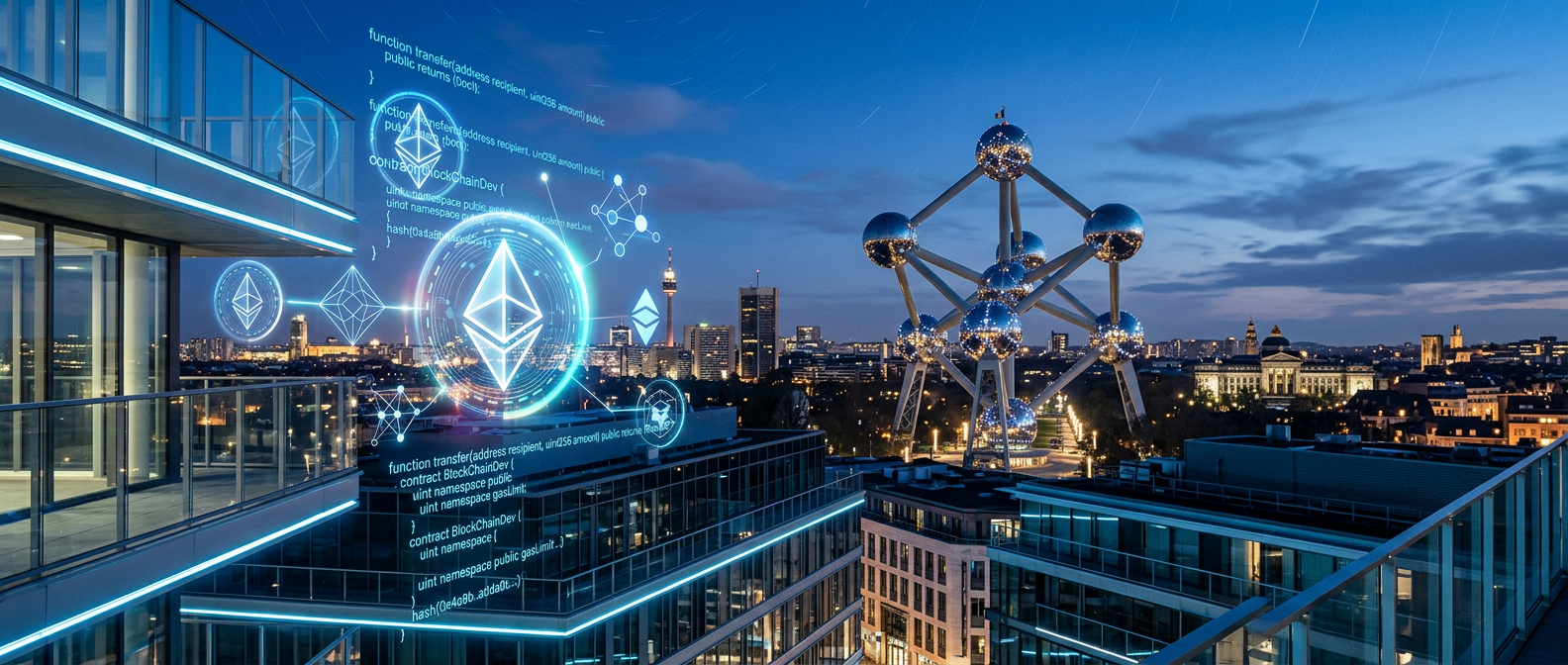

Brussels, commonly recognized as the political capital of Europe, is rapidly transforming into a strategic hub for blockchain innovation. While traditionally known for policy and regulation, the city is now attracting a new wave of Solidity developers and smart contract engineers who are bridging the gap between decentralized finance (DeFi) and institutional frameworks.
The Brussels Web3 Landscape
Unlike the pure-play crypto hubs like Berlin or Lisbon, Brussels offers a unique intersect of public sector initiatives, European Union-backed blockchain projects, and a burgeoning startup scene. The presence of organizations such as the European Blockchain Services Infrastructure (EBSI) has created a localized demand for engineers who understand both the technical nuances of the Ethereum Virtual Machine (EVM) and the regulatory compliance requirements entering the market via MiCA (Markets in Crypto-Assets).
Salary Benchmarks for Solidity Developers in Brussels
The Belgian market offers competitive compensation, further bolstered by localized tax benefits for intellectual property in some tech sectors. While figures can vary based on the protocol's funding stage, current trends indicate:
- Junior Smart Contract Engineer: €45,000 – €60,000 per annum.
- Mid-Level Solidity Developer: €60,000 – €85,000 per annum.
- Senior/Lead Engineer: €85,000 – €120,000+ per annum, often supplemented by token options or equity.
Freelance rates in Brussels for experienced smart contract auditors or developers typically range from €500 to €900 per day, depending on the complexity of the security audit or protocol architecture.
Key Skills in High Demand
To succeed in the Brussels market, developers must go beyond basic syntax. Local firms are looking for:
- Advanced Solidity: Mastery of security patterns, gas optimization, and upgradability patterns (Proxies, UUPS).
- Testing Frameworks: Proficiency in Foundry or Hardhat is non-negotiable for modern workflows.
- Security Mindset: Experience with Slither, Echidna, or formal verification is a major differentiator.
- Frontend Integration: Ability to work with Ethers.js or Viem to link contracts with user interfaces.
- Regulatory Awareness: A basic understanding of EU data privacy (GDPR) in the context of on-chain data.
Cultural Note and Local Attractions
Brussels is a multilingual, cosmopolitan city where 'Joie de Vivre' meets professional excellence. The city is famous for its surrealist art, impressive architecture, and a culinary scene that goes far beyond chocolate and waffles. Tech professionals here enjoy a high quality of life with central proximity to other European capitals.
3 Must-Visit Local Attractions
- Grand Place: A UNESCO World Heritage site and one of the most beautiful town squares in the world, perfect for a walk after a day of coding.
- The Atomium: A landmark representing a unit cell of an iron crystal, embodying the city’s historic link between science and progress.
- Brussels Comic Strip Center: Celebrating Belgium's rich heritage in comic art, reflecting the creative spirit found in its tech community.
Hiring Trends for 2026-2026
Hiring in Brussels is shifting toward 'Hybrid-DeFi'—projects that aim to integrate decentralized protocols with traditional financial systems. We are seeing increased demand from FinTech companies based near the North Communication Center and the European Quarter. Companies are prioritizing developers who can demonstrate a history of deployed and verified contracts on Etherscan, emphasizing the importance of a strong GitHub portfolio.
Frequently Asked Questions
Mid-level developers can expect between €60k and €85k, while seniors can exceed €120k depending on the project's scale and funding.
Is English enough to work in Brussels tech?
Yes, English is the primary language for the Web3 and software engineering sector in Brussels, though knowledge of French or Dutch is a plus for local networking.
Are there remote Solidity roles based in Brussels?
Many Brussels-based startups offer hybrid models, though large institutional projects may require 1-2 days in-office near the European Quarter.
What blockchain networks are popular in Belgium?
Ethereum remains dominant, but there is significant interest in Layer 2 solutions like Polygon and Arbitrum, as well as enterprise-grade frameworks like Hyperledger for public sector projects.