Blogpost.
Rust Web3 Developer Jobs in Berlin: The Ultimate Guide
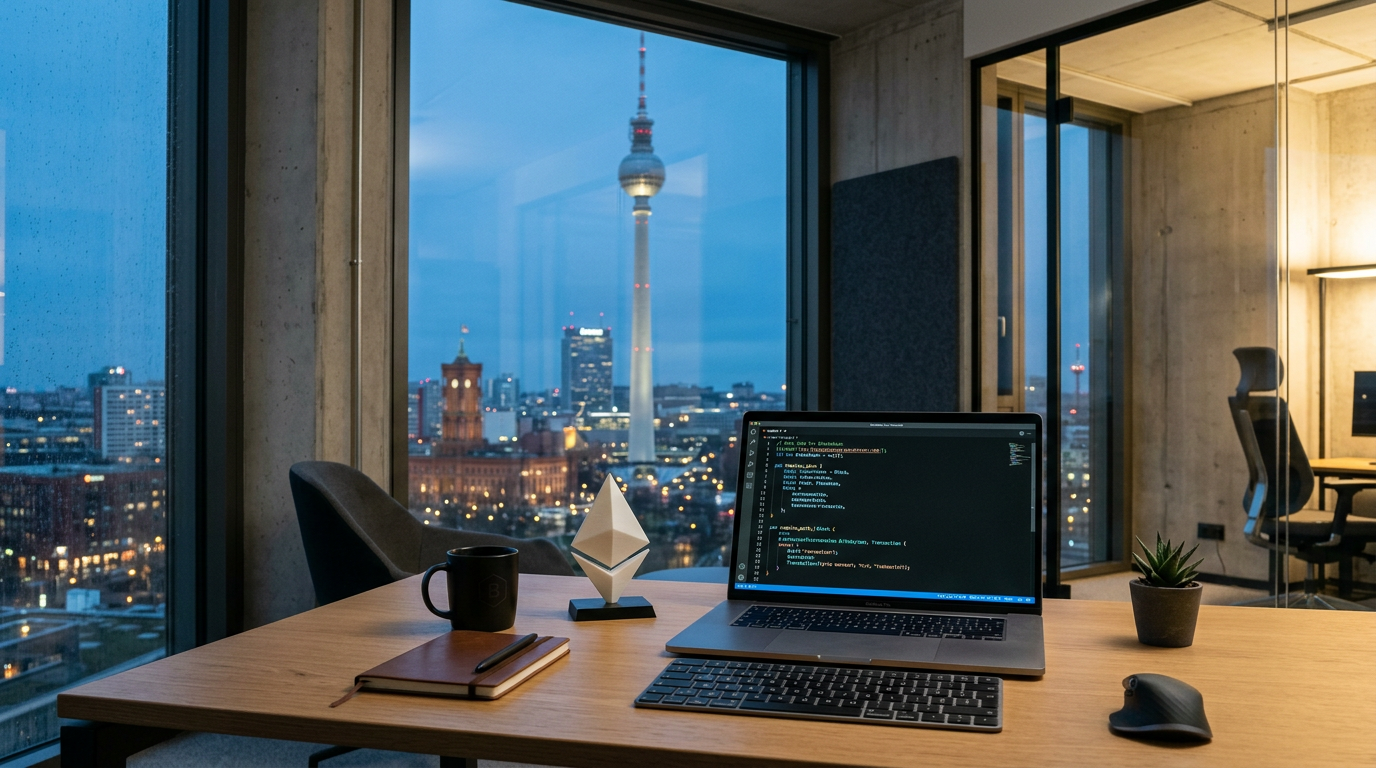

Berlin has long been hailed as the Silicon Allee of Europe, but in the last five years, it has transformed into a global powerhouse for blockchain innovation. Specifically, for developers skilled in Rust, Berlin offers one of the most concentrated job markets in the world. Unlike other cities that focus heavily on DeFi marketing, Berlin is where the infrastructure layer—the core engine of Web3—is being built.
Why Rust is the Language of Choice in Berlin
In Berlin's tech scene, Rust is prized for its memory safety, performance, and concurrency. As projects move away from the limitations of the EVM (Ethereum Virtual Machine) toward more scalable solutions, Rust has become the primary language for systems-level blockchain engineering. Local giants like Parity Technologies (Polkadot) have cemented Rust as the gold standard for the region's talent pool.
Salary Expectations for Rust Developers in Berlin
Compensation in Berlin remains highly competitive within the EU market. While remote US-based roles may offer higher nominal figures, Berlin provides a high quality of life and a robust social safety net. Based on 2024 hiring trends at Blockchain4Talent:
- Junior Rust Developer: €60,000 – €80,000
- Mid-Level Rust Developer: €85,000 – €110,000
- Senior/Lead Rust Engineer: €115,000 – €150,000+ (often plus equity/tokens)
Bonus structures and token allocations are common in Berlin’s startup culture, which can significantly increase the total compensation package for early-stage protocol hires.
Key Projects and Hiring Trends
The Berlin ecosystem is diverse, but three main pillars dominate the Rust landscape:
- Polkadot & Substrate: Parity Technologies is headquartered here, creating a massive demand for Substrate-fluent Rust developers.
- Cosmos & Interchain: Berlin hosts several teams building on the Cosmos SDK using CosmWasm for smart contracts.
- Privacy & ZK-Proofs: A growing number of startups are focusing on Zero-Knowledge proofs, where Rust is used for its efficiency in complex mathematical computations.
Required Skills and Tools
To land a top-tier Rust role in Berlin, you should be familiar with more than just syntax. Hiring managers are looking for experience with:
- Asynchronous Programming: Proficiency with
tokioorasync-std. - Wasm (WebAssembly): Essential for cross-platform blockchain execution.
- Cryptography: Understanding libraries like
k256orring. - Testing Environments: Experience with fuzz testing and property-based testing in Rust.
Cultural Note: Life in Berlin
Berlin is known for its "poor but sexy" history, though it is now a bustling economic hub. The culture is notoriously direct, egalitarian, and values work-life balance. It is common for developers to work hard but strictly disconnect during the weekends to enjoy the city's green spaces and world-renowned nightlife.
Local Attractions for Tech Transplants
- Museum Island (Museumsinsel): A UNESCO World Heritage site consisting of five world-renowned museums.
- Tempelhofer Feld: A former airport turned into a massive public park, perfect for cycling and social gatherings.
- The Spree River: The winding river through the city, offering countless waterfront bars and boat tours.
How to Get Hired
Networking in Berlin is king. Attending meetups like 'Rust Berlin' or 'ETHBerlin' is crucial. Companies here value open-source contributions; having a GitHub profile that showcases Rust-based PRs to reputable protocols will often bypass several initial screening layers. With the current expansion of Layer 2 solutions and sovereign app-chains, the demand for Rust talent in Berlin shows no signs of slowing down.
Frequently Asked Questions
Generally, no. Most Web3 startups in Berlin operate in English. However, learning basic German is highly recommended for daily life and administrative tasks.
What is the cost of living for a developer in Berlin?
While rising, Berlin remains more affordable than London or Paris. A single person can live comfortably on €2,500 - €3,000 per month, though rent for new flats in areas like Mitte or Kreuzberg is increasing.
Which Rust frameworks are most popular in Berlin's crypto scene?
Substrate (Polkadot) and CosmWasm (Cosmos) are the two most prevalent frameworks. Proficiency in these will significantly increase your market value.
Do Berlin companies offer visa sponsorship?
Yes, Berlin is very open to international talent. Many established Web3 companies offer relocation packages and Blue Card visa sponsorship for senior developers.