Blogpost.
Solidity and Smart Contract Jobs in Amsterdam: 2026 Guide
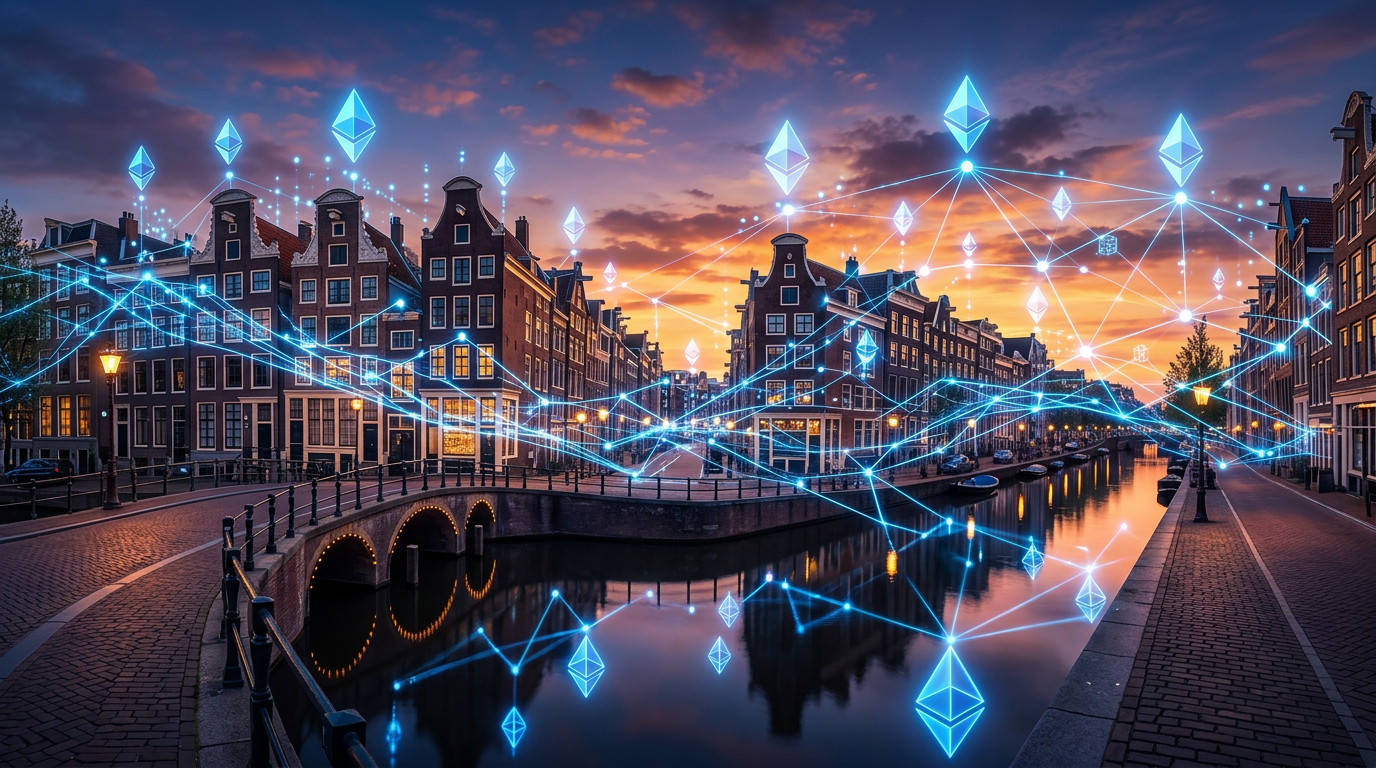

Amsterdam has long been a global hub for financial technology and innovation. With a robust infrastructure, a high concentration of talent, and a progressive regulatory environment, it has naturally evolved into one of Europe's most significant clusters for blockchain development. For Solidity developers and smart contract engineers, the city offers a unique blend of high-growth startups and established protocol teams.
Current Hiring Trends in Amsterdam's Crypto Scene
The Amsterdam market is currently characterized by a shift from speculative projects to infrastructure-heavy development. Hiring companies are looking for engineers who can do more than just write basic code; they need professionals who understand security patterns, gas optimization, and cross-chain interoperability. We are seeing a high demand for developers capable of working with Layer 2 scaling solutions and Decentralized Finance (DeFi) protocols.
Salary Ranges for Smart Contract Engineers
Compensation in the Dutch capital is competitive, often supplemented by token grants or equity. Based on recent 2026 data, salary expectations are as follows:
- Junior Solidity Developer: €55,000 - €75,000 per year.
- Mid-Level Smart Contract Engineer: €75,000 - €110,000 per year.
- Senior/Lead Solidity Engineer: €110,000 - €160,000+ per year.
Remote-first global companies hiring in Amsterdam may offer even higher brackets, often denominated in USD or EUR depending on the entity's structure.
Essential Skills for Success
To stand out in the Amsterdam talent pool, candidates should master the following technical areas:
- Advanced Solidity: Deep understanding of the EVM (Ethereum Virtual Machine), storage layouts, and assembly (Yul).
- Security Frameworks: Proficiency with Slither, Echidna, and Mythril for vulnerability detection.
- Testing Environments: Expert-level use of Foundry or Hardhat for unit testing and fuzzing.
- Frontend Integration: Basic knowledge of Viem, Ethers.js, or Wagmi to collaborate effectively with frontend teams.
Cultural Note and Local Attractions
The Dutch work culture is known for its flat hierarchy and direct communication style. Work-life balance is highly valued, and you will find that many blockchain companies offer flexible hours or 4-day work weeks. Amsterdam's compact nature makes it easy to commute by bike, which is the preferred mode of transport for local techies.
3 Must-Visit Attractions for Expats
- The Rijksmuseum: A world-class museum dedicated to Dutch arts and history.
- Vondelpark: The city's largest green space, perfect for after-work networking or relaxation.
- The NDSM Wharf: A former shipyard turned creative hub, often hosting tech meetups and underground electronic music events.
Key Companies and Ecosystem Hubs
Amsterdam is home to major players like Bitvavo (the largest Dutch exchange), and various teams building on Ethereum and Polkadot. The "Blockchain District" frequently organizes meetups, and events like EthAmsterdam have solidified the city's reputation as a developer's paradise. Networking at local spaces like TQ or the various co-working spots along the Herengracht canal is vital for finding unlisted opportunities.
Frequently Asked Questions
Yes, Amsterdam is one of Europe's top 5 hubs for blockchain talent, offering a high quality of life, international community, and competitive salaries.
Do I need to speak Dutch to work in tech in Amsterdam?
No. Most tech companies and Web3 startups in Amsterdam use English as their primary working language.
What is the most common smart contract language requested?
Solidity remains the dominant language, though there is growing interest in Rust for Polkadot and Solana-based projects within the city.
How is the visa situation for non-EU developers?
The Netherlands offers a 'Highly Skilled Migrant' visa which makes it relatively easy for Dutch companies to sponsor international talent from outside the EU.