Blogpost.
Rust Developer Web3 Jobs in Amsterdam: A Complete Guide
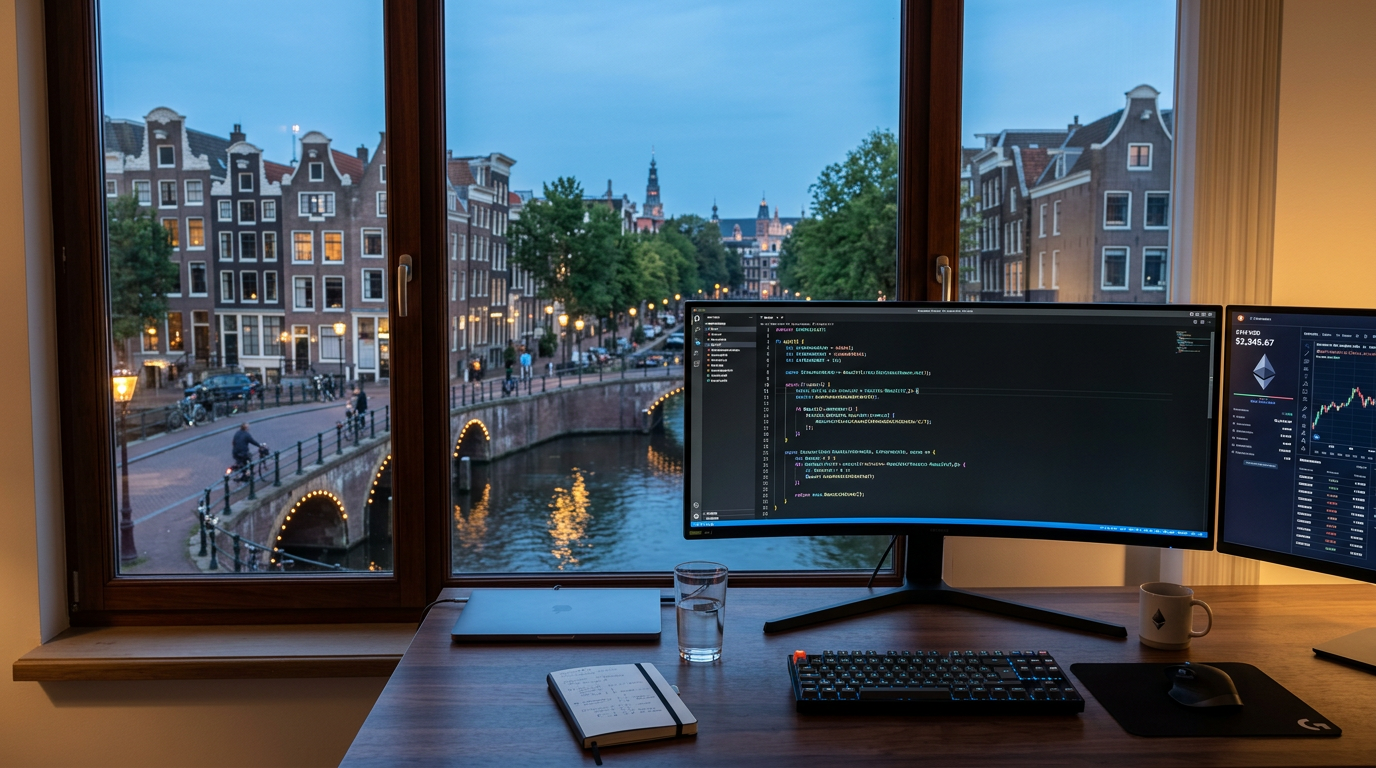

Amsterdam has long been a foundational pillar of the European tech industry. Today, it stands as a premier destination for Rust developers looking to break into Web3. Known for its safety and performance, Rust has become the language of choice for Layer 1 protocols, smart contract platforms, and high-frequency trading systems—all of which have a significant presence in the Dutch capital.
Why Amsterdam is a Web3 Powerhouse
The city combines a historical legacy of financial innovation (home to the world's first stock exchange) with a progressive digital culture. This unique blend has attracted major players like Bitvavo, Maven 11 Capital, and diverse core teams from protocols like NEAR and Polkadot. For Rust developers, this means a high density of high-stakes engineering roles focused on zero-knowledge proofs (ZKP), cross-chain bridges, and decentralized finance (DeFi).
Salary Ranges for Rust Developers in Amsterdam
Amsterdam offers competitive salaries that reflect its high cost of living and the scarcity of expert Rust talent. Compensation often includes a base salary plus equity or token incentives.
- Junior Rust Developer: €55,000 – €75,000
- Mid-Level Rust Developer: €75,000 – €105,000
- Senior/Principal Engineer: €110,000 – €160,000+
Many Web3 startups in the city also offer the flexibility of hybrid work models, though the Dutch 'polder model' of collaboration often makes on-site presence highly valued for core protocol development.
Key Skills and Hiring Trends
To succeed in Amsterdam’s competitive market, a Rust developer needs more than just syntax knowledge. Hiring managers are looking for:
- Systems Programming: Understanding of memory management, concurrency, and async programming in Rust.
- Blockchain Fundamentals: Familiarity with WebAssembly (Wasm), Libp2p, or Substrate frameworks.
- Security Mindset: Auditing smart contracts and ensuring cryptographic safety.
- English Proficiency: While Amsterdam is in the Netherlands, the tech and Web3 sector operates almost exclusively in English.
Local Cultural Note
Work-life balance is sacred in Amsterdam. The 'borrel' (after-work drinks) culture is a great way to network within the local blockchain community. Expect a direct communication style which, while sometimes surprising to newcomers, leads to efficient problem-solving in fast-paced dev environments.
3 Must-Visit Local Attractions
- The NEMO Science Museum: A hub of technology and learning housed in an iconic green boat-like building.
- The Rijksmuseum: Essential for a dose of inspiration from the Dutch Masters.
- A'DAM Tower: Located in Amsterdam Noord, it offers incredible views and is near many emerging tech workshops.
How to Find Your Next Role
Networking is key in the Amsterdam scene. Look for events hosted at 'The Block' or attend the annual ETHAmsterdam hackathons. Utilizing specialized job boards like Blockchain4Talent ensures you are seeing roles specifically curated for the crypto niche, avoiding the noise of traditional IT recruitment.
Frequently Asked Questions
Mid-level Rust developers in Amsterdam typically earn between €75,000 and €105,000, while seniors can exceed €150,000 depending on the complexity of the Web3 project.
Do I need to speak Dutch to work in Amsterdam?
No, the majority of Web3 and tech companies in Amsterdam use English as their primary office language, though learning basic Dutch is appreciated for social integration.
Is Amsterdam a good place for crypto networking?
Yes, Amsterdam is a top-tier global hub for crypto events, featuring recurring meetups, major conferences like Devconnect, and a thriving community of venture capitalists.
Are remote Rust roles common in the Netherlands?
While many companies offer remote-friendly policies, many Dutch-based Web3 firms prefer a 'hybrid' approach to foster collaborative engineering sessions.